Scalloping Season

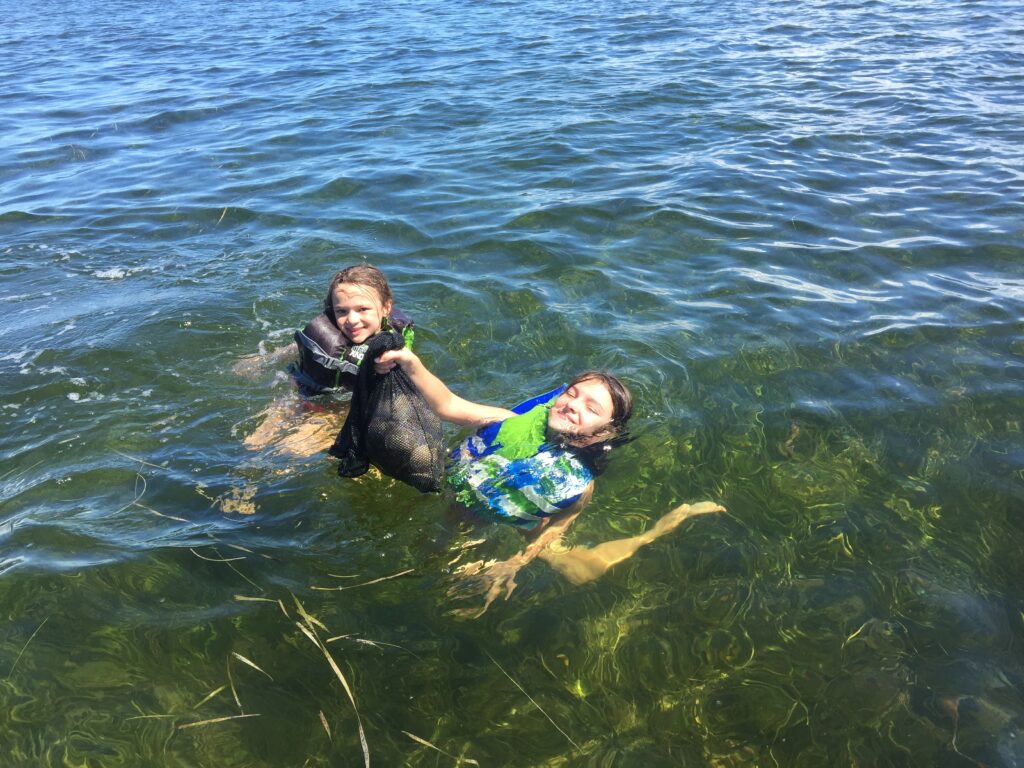
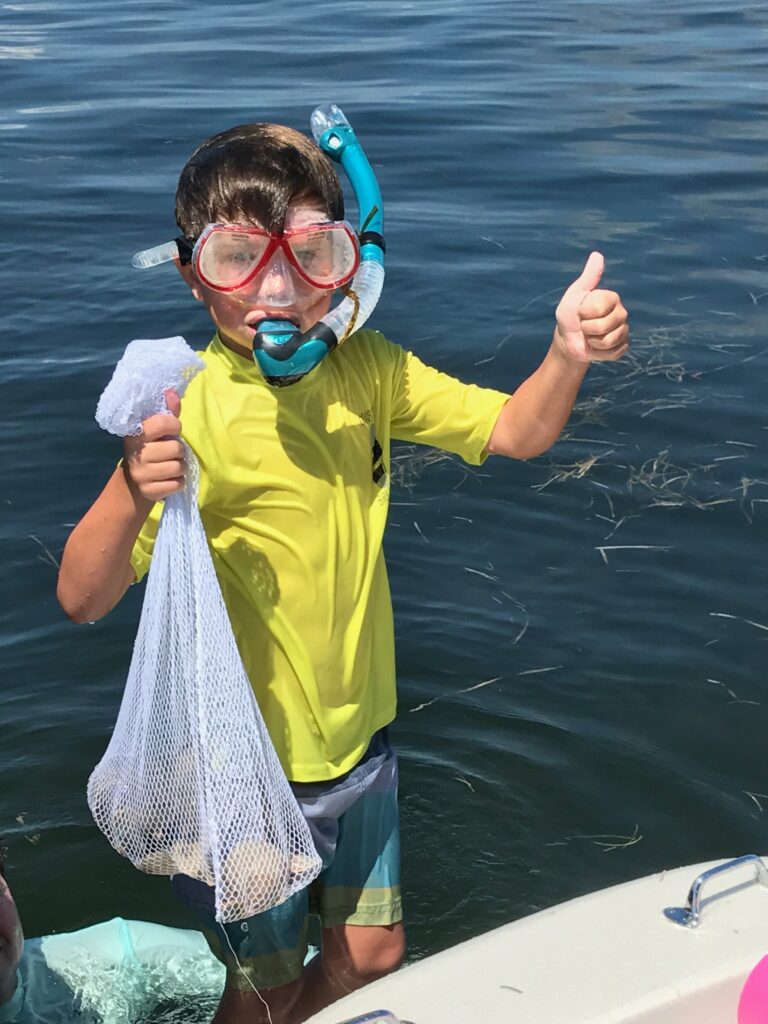
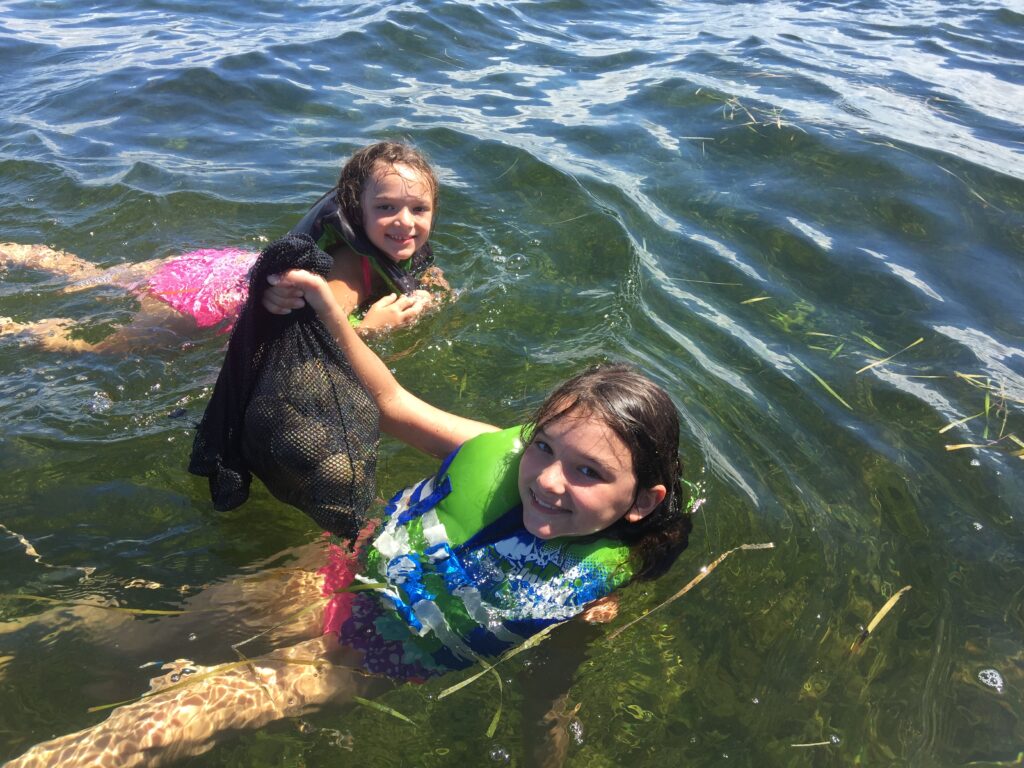
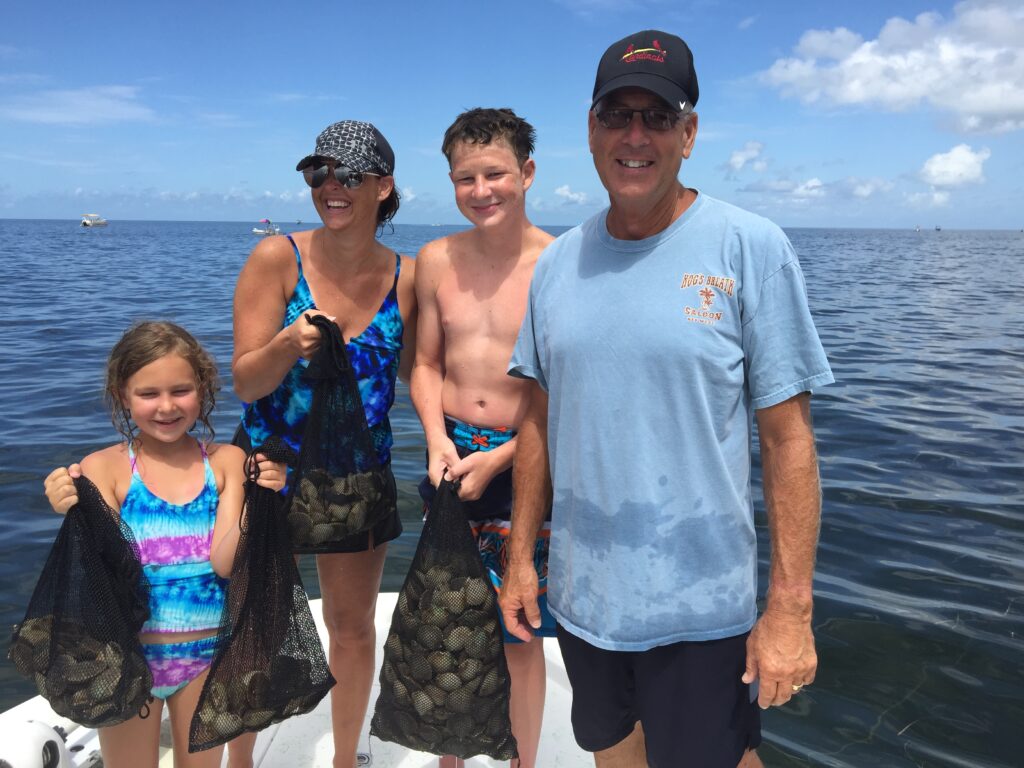
Enjoy a fun day on the water with Southern Fishing Charters! Snorkel for scallops in clear, shallow waters (3–6 ft) with ideal temperatures (84°–88°), and keep an eye out for dolphins and other marine life. Perfect for families and beginners—book your trip today!

Enjoy Scalloping

season runs from July 1st thru September 10th

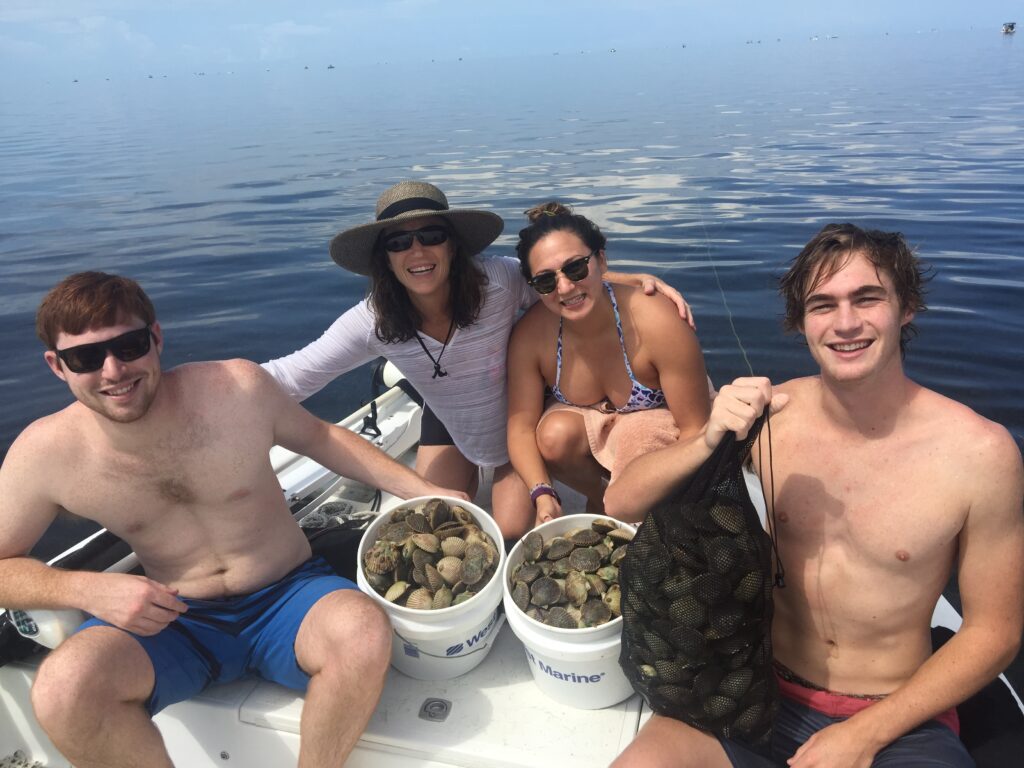
Looking for a unique way to spend a day on the water? Our scalloping charters are designed for families, beginners, and anyone looking to experience Florida’s waters up close. Snorkel in shallow, clear bays to search for prized bay scallops, guided by Captain Glen Touchton, who will share local knowledge, safety tips, and hands-on instruction to make your trip fun and productive.

Bay scallops are not only a delicious catch—they’re also an important part of Florida’s coastal ecosystem. Our trips focus on sustainable, recreational harvesting while giving guests a chance to connect with the marine environment. Customize your trip with special requests, and let Glen create a memorable scalloping adventure you won’t forget.

IMG 2340
JWNJ9540 1
IMG 2343

What is a bay scallop?

Bay scallops are small bivalves with two shells—an upper valve that’s dark and mottled (sometimes bright yellow or orange) and a white lower valve. They typically grow up to two inches and live about a year in Florida waters.

These fascinating shellfish feed by filtering tiny particles of algae and organic matter from the water, using their gills to intake and expel water. Scallops can quickly close their shells to avoid predators or silt, and even swim short distances by rapidly clapping their valves. Guests on our scalloping trips usually harvest the large adductor muscle, which is prized for its taste, while enjoying the chance to observe these unique creatures in their natural habitat.

IMG 2691

A bay scallop life cycle

IMG 2283

The bay scallop plays a vital role in Florida’s coastal ecosystem and has a fascinating life cycle closely tied to water quality and temperature. Bay scallops are hermaphroditic, meaning they develop both male and female reproductive organs and can produce both eggs and sperm. To prevent self-fertilization, scallops release eggs and sperm at different times, reducing the risk of inbreeding.

Spawning and Reproduction

Bay scallop spawning is strongly influenced by water temperature and food availability. In Florida, spawning typically occurs in the fall as water temperatures cool, while in other regions it may happen earlier in the year when temperatures rise. During spawning, a single scallop can release millions of eggs, though survival rates are extremely low—often only one out of 12 million eggs survives to adulthood.

Larval and Juvenile Stages

Within about 36 hours, fertilized eggs develop into microscopic larvae that drift freely in the water for roughly two weeks. These larvae eventually attach to seagrass blades, where they transform into juvenile scallops known as spat. As they grow, spat move higher up the grass blades to avoid bottom-dwelling predators like crabs. Despite this, survival remains difficult, with up to 90% dying within the first six weeks.

Adult Life and Predators

Once mature, scallops fall to the seafloor, where they remain for the rest of their lives. Even as adults, they face constant threats from predators such as blue crabs, stone crabs, and whelks. Scallops can sometimes escape danger by rapidly clapping their shells to swim short distances. Other times, algae or marine growth on their shells may help them blend in, though this is not a reliable defense.

One unique relationship exists between bay scallops and the pea crab, which lives safely inside the scallop’s shell. While the pea crab steals small amounts of food, it generally does not harm the scallop.

Sensitivity to Water Quality

Bay scallops are extremely sensitive to changes in water quality, temperature, and salinity. Increased turbidity—cloudy water caused by sediment—can clog their gills and make it difficult to breathe and feed. Although scallops can close their shells temporarily to protect themselves, they cannot survive in poor water conditions for long. For this reason, bay scallops are considered an important indicator species, helping scientists monitor the overall health of Florida’s coastal waters.
Fish Caught
0
Customer Satisfaction
0 %
Happy Anglers
0
Years Experience
0 +
PhotoAug2293741AM
PhotoAug22101752AM
PhotoAug2295450AM2
About

Meet The Captain

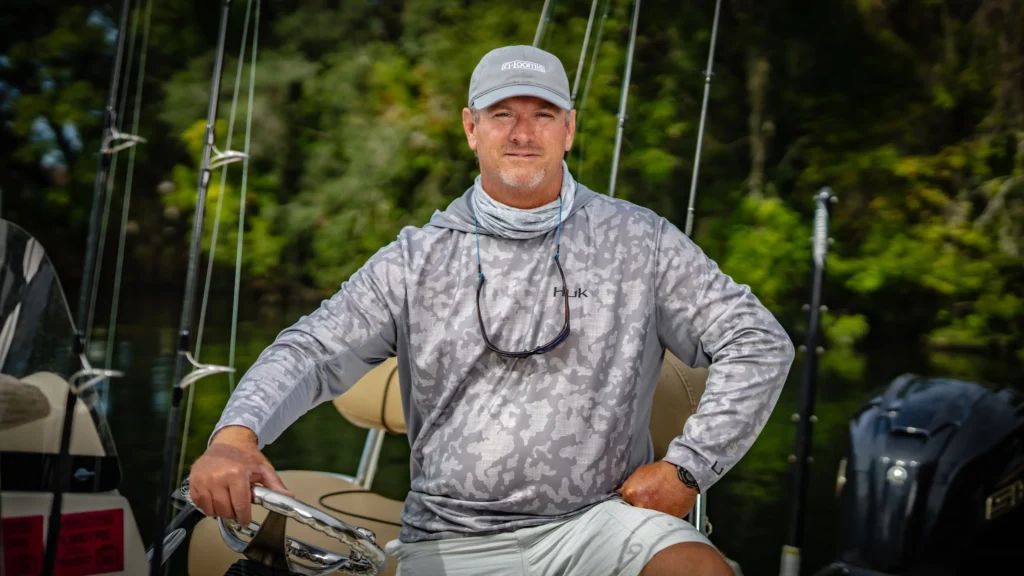
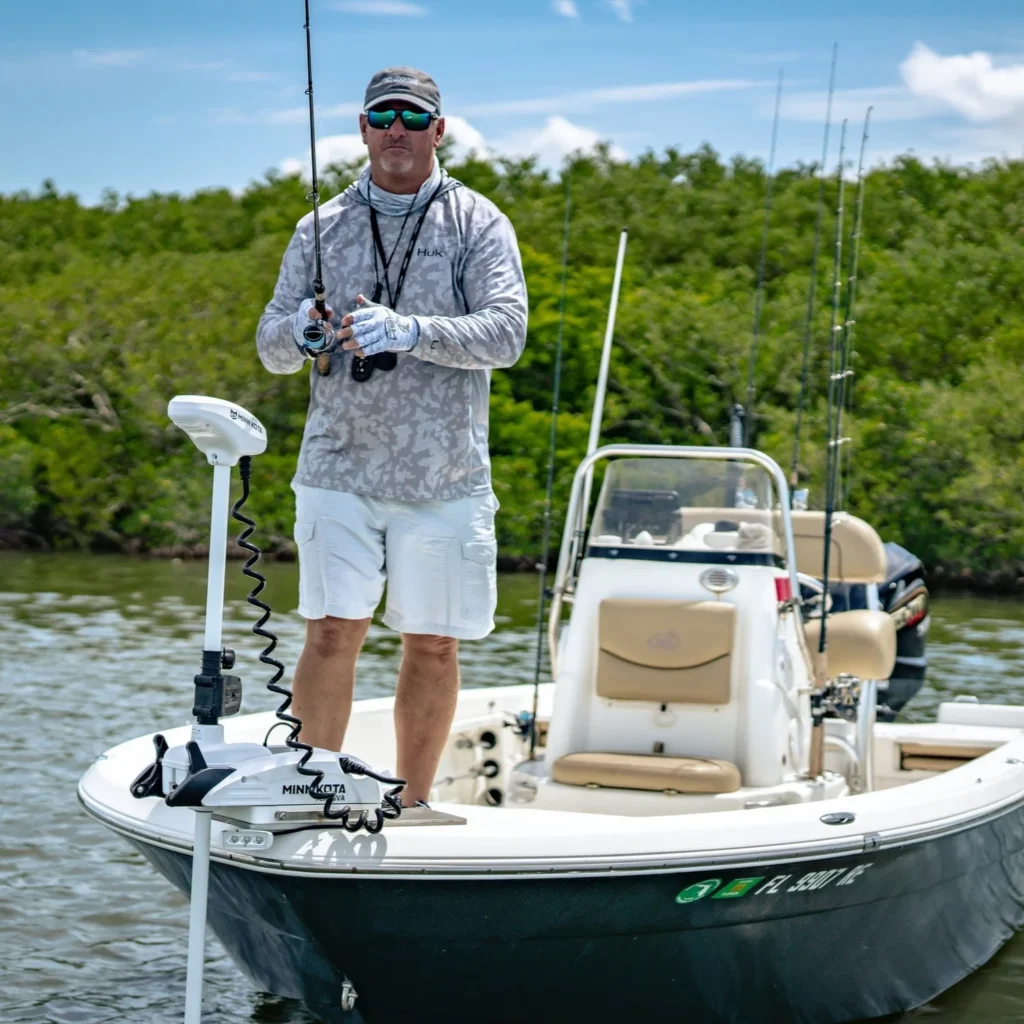
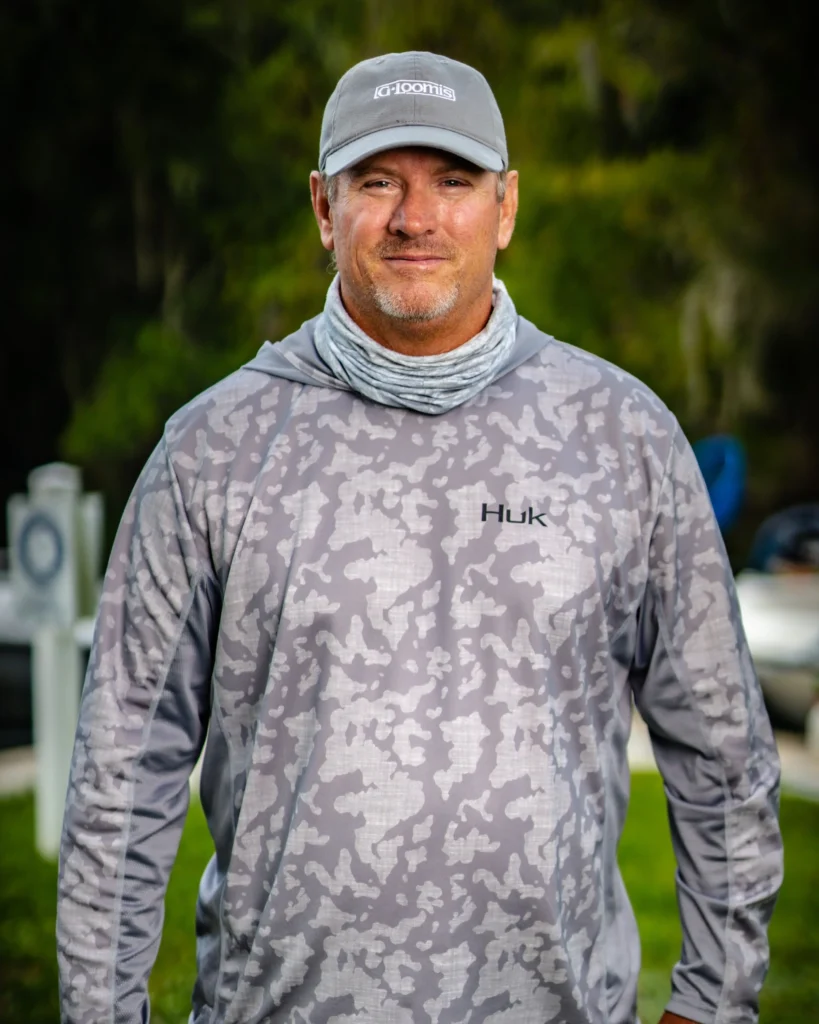
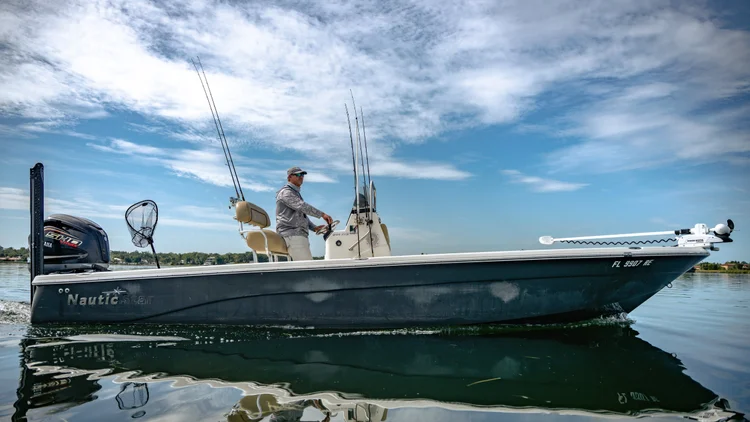
Captain Glen Touchton is a Crystal River native and has been fishing the Nature Coast his entire life. He specializes in shallow water Grouper fishing, and also flats fishing for Redfish, Snook and Trout. His main goal is to put every client on quality fish.

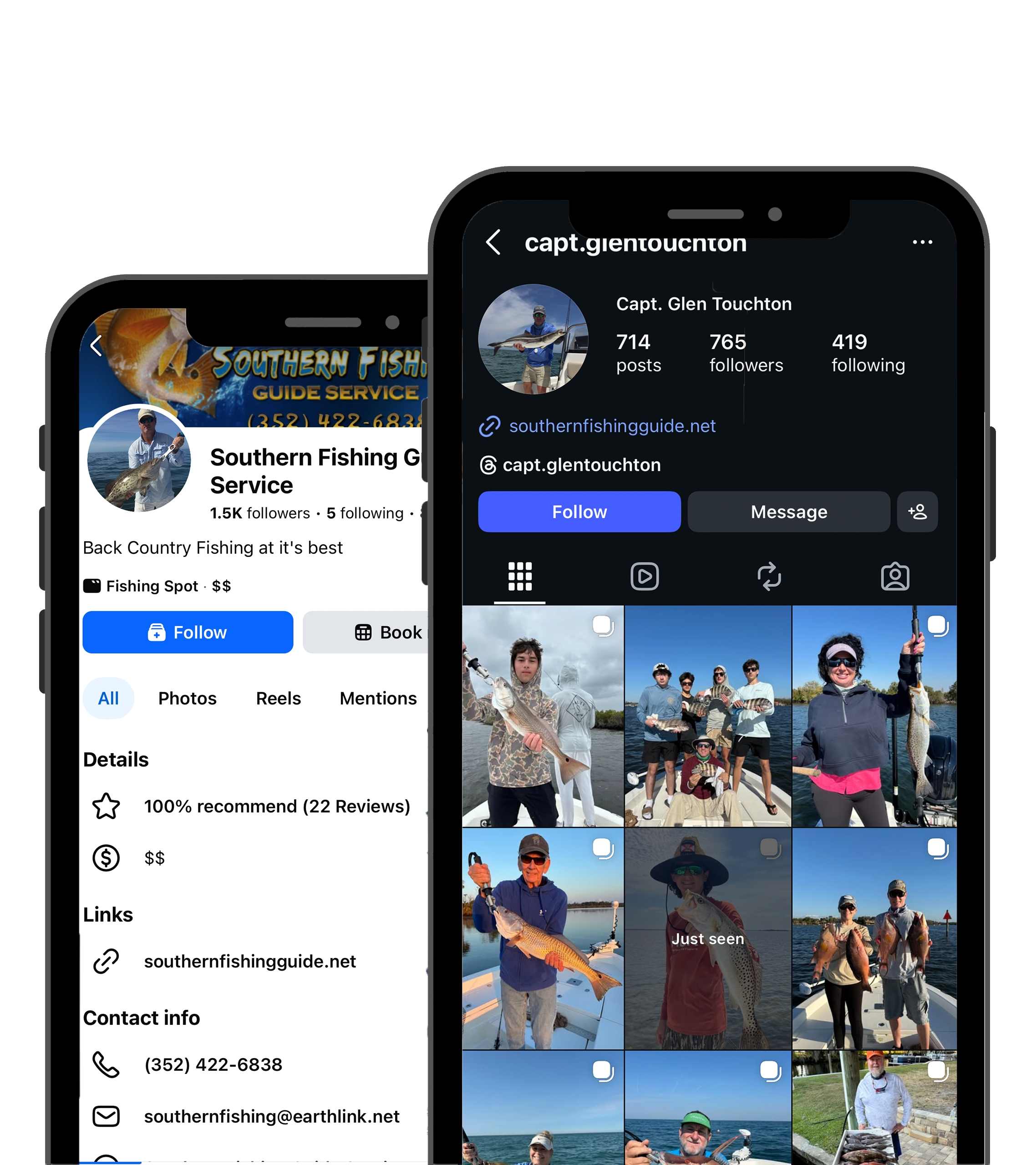
Follow Our Socials

Join us on and off the water by following Southern Fishing Charters on social media. See recent catches, memorable trips, behind-the-scenes moments, and updates straight from Florida’s waters. Follow along to stay connected, get inspired, and imagine your next unforgettable fishing adventure.

GlenTouchdonPhones

Had a fantastic day with Captain Glen. Awesome boat, he put us on the fish and the bite was on!!! Groupers were huge! We will be back soon! Ricky and Teri.

Terri E.

Captain Glen is extremely knowledgeable about Grouper fishing and knows to get you on a bite quick. We caught our limit within the first few hours of being on the water!

Stephen W.

We had an awesome experience with Captain Glen. We wanted to fish for reds and that’s what he found for us. We caught our limit and some huge fish.

Jessica S.

Glen was an excellent guide! We chose him for his experience in shallow water Grouper fishing and boy did he put us on them. My partner and I kept four studs! I would hire him again!

Jim R.

Send us a Message